Rajasthan Culture Guide: Folk Dance, Festivals & Traditions
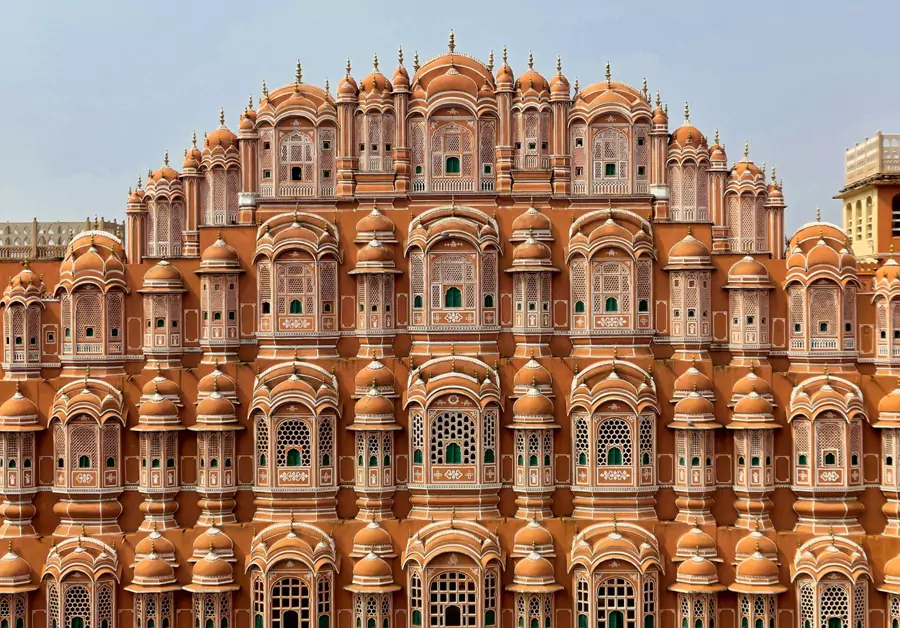
Rajasthan is known as the Land of Kings. Views featuring impressive forts & palaces are impressive. Yet, what lies beyond is a very rich cultural landscape. Music, dress, traditions and celebrations in every part of the state echo centuries of history. Traditions are not a relic of the past; they are still alive in homes, shrines, village squares and royal courtyards.
This Rajasthan cultural guide describes the state’s living traditions, folk dances, festivals, attire & crafts. For those interested in culturally oriented travel, an understanding of these customs enriches every place you visit throughout Rajasthan if you plan to immerse yourself in a wide array of experiences in 2026.
The Cultural Essence of Rajasthan
Rajasthan’s geography and history shape its culture. The architecture, clothing and social customs of the region were pioneered by the arid Thar Desert, while Rajput valor shaped ceremonial and artistic patronage. A common but diverse cultural identity was created by tribal communities, merchant groups and royal families.
Even with modernization, Rajasthan has remained connected to its traditional values. There are village fairs, religious ceremonies and seasonal festivals that still bring communities together. Oral storytelling, devotional music and ritual performances remain key components of social life.
So a proper Rajasthan Cultural Guide must look beyond monuments and get to the rhythms of everyday life that define the state.
Rajasthan Folk Dance Names and Their Cultural Meaning
Rajasthan folk dances are more than just entertainment. They stand for celebration, devotion, storytelling and social bonding. Each region has developed its own distinctive costume, style and musical accompaniment.
Ghoomar Dance Rajasthan
Ghoomar is one of the most famous names of Rajasthan folk dances. This traditional dance of Rajasthan originated from the Bhil tribal community and was later performed by Rajput royalty. Gradually, it became a necessary part of weddings and festive celebrations.
Ghoomar is mainly performed by women. The dance consists of circular dipping movements, intensive clapping and rhythmic steps. Ghagras twirl about in colorful dances that create a mesmerizing visual effect. The lyrics are often prayers or hymns to deities or celebrations of marital bliss.
The Ghoomar dance of Rajasthan represents elegance, girlishness, and cultural self-esteem. Today, it unfolds not just at the heart of village life but also in heritage hotels and cultural programs across the state.
Kalbeliya Dance Rajasthan
Kalbeliya dance is a performing art of the Kalbeliya community of Rajasthan who were traditionally snake charmers. The dance mimics the motions of serpents, with dancers exhibiting astonishing flexibility and rapid spins.
The dancers wear intricate black skirts embroidered with colourful embellishments and mirror work. The music is upbeat, and there are instruments like the dholak and been. The thunderous beats and dramatic motions render Kalbeliya as one of the most enthralling performances in Rajasthan.
Globally recognized, Kalbeliya tells the story of nomadic life and the artistic fortitude of desert dwellers. It continues to be a highlight at cultural festivals and desert celebrations.
Bhavai Dance
Bhavai is popular for balancing acts. Female dancers balance dozens of brass pots atop their heads as they dance along the rim of a glass — or even a sword. The performance requires precision, focus and physical endurance. Bhavai represents devotion and skill. Traditionally performed during celebrations, it reflects the strength and self-assurance of Rajasthani women.
Kachhi Ghodi
Kachhi Ghodi is a lively male dance involving decorative horse costumes. The performers enact tales of local heroes and bandits, combining humor with folklore. The dance is set to upbeat music, and the story is melodramatic. This traditional dance form from Rajasthan embodies the state’s martial heritage and storytelling traditions.
Cultural Festivals of Rajasthan
Festivals are a highlight of Rajasthani life. They blend devotion, community engagement, song and dance, and elaborate rituals. You will find annual cultural festivals of Rajasthan that attract visitors across India and across the globe.
Desert Festival Jaisalmer
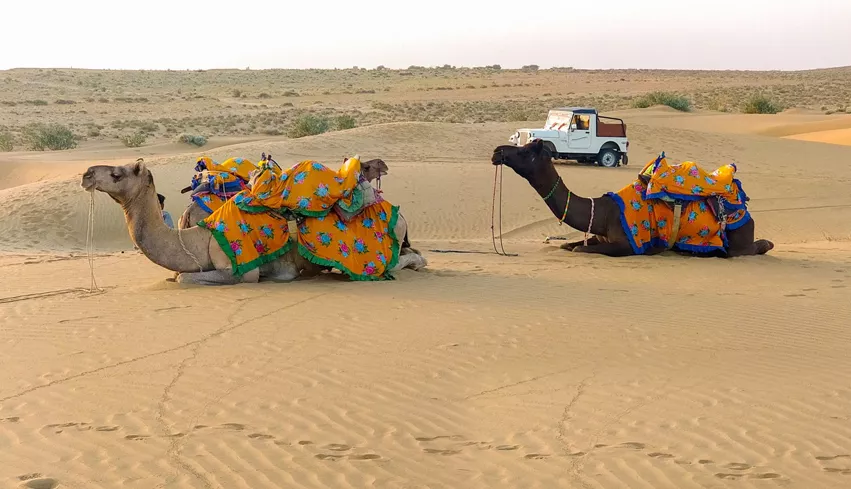
Widely claimed as one of the most vibrant and colourful cultural celebrations, the Desert Festival Jaisalmer is hosted in Rajasthan. Taking place every year in February, it turns the golden sand dunes into a grand stage for artistic expression.
Camel races, turban-tying challenges, folk performances and traditional music enliven the scene. The festival showcases Rajasthani handicrafts, Rajasthan’s local cuisine and regional talent. Visitors experience desert life through such performances that mirror centuries-old customs.
The Jaisalmer Desert festival communicates to the spirit of resilience and celebration in a rugged terrain.
Gangaur Festival
Gangaur is devoted to Goddess Gauri and is observed by women throughout Rajasthan. Married women pray for marital happiness and unmarried girls wish for a good husband.
The celebration also features colorful parades, brightly decorated effigies and folk songs. Women wear traditional Rajasthan dress, bursting with jewelry and colourful textiles. This strengthens the bond of the community and glorifies the devotional aspect of Rajasthani culture.
Teej Festival
Teej marks the onset of the monsoon season. The festival has swing, musics, good food, and vivid attire. The streets are alive with decorated processions and devotional rituals. Teej is a day for regeneration, happiness and celebrating the cycle of nature. It is the time for folk song singing and Rajasthani dance.
Rajasthan Traditional Dress
The Rajasthan traditional dress is a representation of climate, social identity and artistic side of the rigion. Clothing is, in part, about use and utility but also about symbolism.
Women usually wear ghagra-choli with odhni. They are crafted from lustrous fabrics and embellished with embroidery, mirror work and Bandhani tie-dye motifs. The vibrant colors contrast beautifully with the desert environment.
Men typically wear a dhoti or kurta with pagri/turban. Each region and community often has its unique color and style of turban. Formal clothing such as magnificently detailed jackets and accessories tend to be worn in royal spheres.
The traditional dress is complemented with jewelry. Silver ornaments are worn in rural tribes, whereas gold jewelry is especially used for urban and royal tables.
Rajasthan Handicrafts and Artistic Traditions
The handicrafts of Rajasthan are internationally accepted and admired world over. These crafts are centuries-old, some handed down through generations.
Jaipur, this city is famous for blue pottery and gemstone jewelry. Block printing, for example, Sanganer and Bagru prints are rich in textile motifs. Udaipur and Kishangarh are known for miniature paintings of royal court life and mythological scenes.
Kathputli puppets embody the storytelling tradition from Rajasthan. The diversity of artistic traditions is also demonstrated in other disciplines, including marble carving, leatherwork, carpets and metal crafts.
Buying 100% original Rajasthani artifacts not only helps you bring home a piece of the beautiful state but also aids in supporting local artisans while preserving cultural diversity.
Music and Oral Heritage
Music is an inseparable part of Rajasthani culture. Folk songs are stories of bravery, love and passion. Traditional instruments such as the sarangi, dholak and khartal create rhythmic desert compositions.
Communities like the Manganiyars and Langas have kept these styles of music alive for centuries. Their performances are familiar in the region, often accompanying folk dances and religious ceremonies.
Oral storytelling is an integral part of the culture and keeps historical legends and moral lessons alive.
Cultural Experiences with Rajasthan Tour Expert
To explore the vast cultural experiences of Rajasthan requires planning and local knowledge. Rajasthan Tour Expert specializes in offering locally immersive cultural experiences such as seeing performances, seasonal festivals and exploring craft villages. While a Rajasthan cultural guide may provide great insights, a well-laid plan is equally important to truly experience the culture with both feet heels-down. We provide travelers with an opportunity to be a part of an event by creating special customized itineraries. Visitors get a better understanding of Rajasthan’s diversity and heritage with expert guidance.
Conclusion
This Rajasthan Cultural Guide shows that the state is about much more than its historic monuments. The vibrant Rajasthan folk dance names, the grandeur of cultural festivals of Rajasthan, the elegance of Rajasthan traditional dress, and the excellence of Rajasthan handicrafts collectively define a living heritage. With Rajasthan Tour Expert, you get to experience the customs, festive spirit and craftsmanship that define the soul of this incredible state.
FAQs
- What are the most popular Rajasthan folk dance names?
Some popular Rajasthan folk dance names include Ghoomar, Kalbeliya, Bhavai Dandan and Kachhi Ghodi. Each dance captures the regional heritage, collective identity and much narrative with music, costume and expressive movements performed at festivals and such celebrations.
- Which are the major cultural festivals of Rajasthan?
A few major cultural festivals of Rajasthan include Desert Festival Jaisalmer, Gangaur, Teej, Pushkar Fair & Mewar Fest. Such celebrations display folk performances, rituals, costumes, music and people thronging in the cities and villages.
- What is special about Rajasthan traditional dress?
The traditional attire of Rajasthan is all about bright colors, mirror work, and Bandhani patterns. Women wear traditional ghagra-choli with elegant odhni while men don dhoti or kurta along with colourful turbans representing regional identity.
- When is the Desert Festival Jaisalmer celebrated?
The Desert Festival in Jaisalmer is celebrated in February. It includes camel races, folk dances and musical performances, a turban competition and displays of Rajasthan handicrafts set against the golden dunes of the Thar Desert.
- Why are Rajasthan handicrafts famous worldwide?
Craftsmanship and traditional craft techniques handed down through generations make Rajasthan handicrafts renowned. The state’s rich artistic heritage include blue pottery, block printing, miniature paintings, gemstone jewelry and wooden puppets.