Brahma Temple Pushkar – Entry Fee, Timings, and Things to Do
The Brahma Temple Pushkar is one of India’s few unique pilgrimage sites, situated in the holy town of Pushkar, Rajasthan. The power of this place is recognized and acknowledged worldwide, making it one of the most prominent temples dedicated to Lord Brahma (the creator in the Hindu trinity), which attracts devotees and explorers across the globe for spiritual retreat, Pushkar sightseers, and many cultural experiences. Surrounded by the tranquil waters of Pushkar Lake and colourful markets and ancient temples, this holy site provides a unique experience for spiritual seekers and travelers alike.
In this guide, we include all the details you need to visit, including Brahma Temple Pushkar temple timings and entry details, the historical significance behind it, and the top Things to do in Pushkar other than the temple.
History and Significance of Brahma Temple Pushkar
The Brahma Temple in Pushkar is absolutely unique in that it is one of the only temples in the world dedicated to Lord Brahma. Legend has it that Pushkar is the place that Lord Brahma chose to perform a yajna (ritual sacrifice) when a lotus flower fell from his hand on this sacred site, causing the beginning of the Pushkar Lake. Consequently, Pushkar is now one of the holiest pilgrimage places in India.
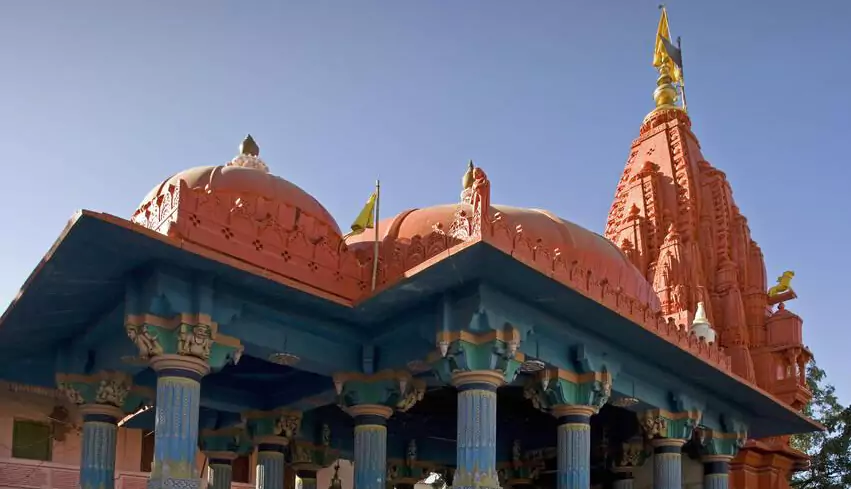
The current stone and marble structure of the temple was built in the 14th century, but the site is said to have been worshiped much before that. Its architecture is typical of Rajasthan temples, with a sky-red shikhara (spire), and one cannot miss the detailed carvings. At the center of the sanctum sits the four-faced idol of Lord Brahma, who is usually accompanied by Goddess Gayatri and creates a peaceful atmosphere to perform puja.
Pilgrims believe a trip adds spiritual merit, and the temple is part of the Pushkar pilgrimage circuit that also includes a holy dip in Pushkar Lake and prayer rituals at nearby ghats.
Brahma Temple Pushkar – Entry Fee and Timings
One of the most visitor-friendly aspects of the temple is its accessibility:
Entry Fee:
- The Brahma Temple in Pushkar has no entry fee. Devotees and visitors are allowed to enter the temple for free. Contributions for the maintenance of temples and performing puja are completely optional.
Pushkar Temple Timings:
The temple is usually open daily year-round, closing briefly in the afternoon:
- Morning: 5:00/6:00 AM — 1:30 PM
- Afternoon Break: 1:30 PM–3:00 PM
- Evening (3 PM to 8:30/9 PM, depending on season).
Some guides and visitor resources do mention specific timings for the arati (prayer):
- Mangala Aarti: Early morning before the break of day
- Sandhya Aarti: Around sunset
- Aarti Ratri: Late evening hours (Timer according to temple)
Tip: For a bit of quiet ambience and pleasant light, visit early in the morning or close to sunset.
Dress Code and Visitor Guidelines
Brahma Temple is a religious Hindu temple, and visitors are required to adhere to some etiquette and avoid doing the following:
- Dress Modestly: Cover shoulders and knees. Traditional Indian attire is appreciated but not required.
- Footwear: Shoes must be removed before entering the temple complex, with shoe stands present at the entrance.
- Photography: Taking photos within the primary sanctum is generally prohibited to preserve spiritual holiness.
- Silence: Outside the temple, visitors are encouraged to keep quiet or speak softly.
These small yet significant tips will guarantee a pleasant visit for both worshippers and tourists.
Exploring Pushkar Temple Timings and Aarti
The daily schedule of the Brahma Temple provides several occasions for worship and watching of ritual acts. The mornings and evenings at the temple become most spiritually immersive during aratis when priests start chants and offerings. Such ceremonies often take place near the sanctum or at the entrance of the temple, where pilgrims gather.
Pushkar is a busy pilgrimage town, so expect bigger crowds during the festival of Kartik Purnima at this time, when devotees take holy dips in Pushkar Lake before visiting the temple.
Things to Do in Pushkar Beyond the Temple
Although the Brahma Temple Pushkar is the spiritual heart of the town, Pushkar’s charms go far beyond this famous shrine. Here are some things to experience, before or after your temple visit:
1. Visit the Pushkar Lake Ghats
Pushkar Lake is seen as the lifeline of the town’s spiritual identity. It is flanked by 52 bathing ghats where the pilgrim performs rituals, prays, and takes holy dips believed to cleanse sins. Visitors here enjoy sunrise and sunset, soaking in the serene reflections on the calm waters.
2. Wander Through Pushkar’s Markets
The market area near the temple is rich with colorful traditional handicrafts, textiles, jewellery, and religious items. It’s a great place to collect souvenirs and see local culture in action.
3. Climb to Savitri Mata Temple
Panoramic views of Pushkar and the lake can be enjoyed with a short climb or ropeway ride to the Savitri Mata Temple on the hills behind the Brahma Temple. Here you can enjoy stunning sunsets and panoramic views of the town and the surroundings.
4. Experience Evening Aarti at the Ghats
Evening prayers and chants at the lake’s ghats, while the experience may not be as grand as river aartis in Varanasi, are soulful and peaceful. A good opportunity to observe local rituals and interact with pilgrims.
5. Attend the Pushkar Camel Fair
If you plan your visit during the annual Pushkar Fair (typically in October–November), you’ll experience one of the most famous cultural festivals. It blends pilgrimage tradition with livestock trading, folk music, traditional games, and colorful rural culture.
6. Enjoy Local Cuisine and Cafés
The temple and ghats of Pushkar serve vegetarian food, where one can enjoy local Rajasthani meals (and sweets) along with refreshing lassi. Cafés along the lake are ideal for unwinding between sightseeing stops.
Best Time to Visit
The best time to visit Pushkar and the Brahma Temple is between October and March, which are the cooler months of the year. The weather is nice for walking around the lake, visiting hilltop temples, and exploring markets at this time. The Pushkar Fair, one of the town’s major cultural events, also occurs in this season and gives travelers a more rewarding experience.
Pushkar Pilgrimage Guide
Pushkar is more than a tourist location; it is an important pilgrimage spot. Many pilgrims organize their visit around religious routines such as:
- Circumambulating sacred Pushkar Lake
- Taking ritual baths in prime ghats
- Attending temple ceremonies and arati
- Prayer offering at the local temples
Behaving respectfully at the temple and following the guidelines, and visiting early morning, definitely provides a more authentic pilgrimage experience. Local guides can provide helpful context for visitors unfamiliar with Hindu rituals.
How to Reach Brahma Temple, Pushkar?
Pushkar is only well-connected to major cities in Rajasthan and North India:
- By Road: Pushkar is connected by regular buses and taxis with Ajmer (15 km), Jaipur, and Udaipur.
- By Train: The closest railway station is at Ajmer, and it has good connectivity to the major railway networks.
- By Air: Jaipur International Airport is the closest, and after that, you can hire shared taxis or a private transfer to Pushkar from Jaipur.
Conclusion
The Brahma Temple Pushkar is more than just a temple; it stands as a testament to the mythological aspect of India and its spiritual heritage. With free entry, welcoming timings throughout the day, and a deeply meaningful atmosphere, it makes it an essential on any Pushkar pilgrimage guide or Pushkar sightseeing trip.
This place offers pilgrims and travelers alike a chance to reflect, to show devotion, to connect with centuries of tradition. Besides the temple, Pushkar has several experiences to offer: from taking a dip in the Pushkar Lake ghats to trekking to hilltop temples and colourful bazaars. Anyone who prefers a cultural, historical, and spiritual pilgrimage in 2026 will find Brahma Temple and the surrounding holiest sites to be an unforgettable experience. If you are planning a trip to this place, let the team at Rajasthan Tour Expert help you plan and create a memorable experience.
FAQs
- What are the Pushkar temple timings for Brahma Temple?
Brahma Temple Pushkar is generally open daily from early morning around 5:00–6:00 AM until 1:30 PM, and again from 3:00 PM to 8:30–9:00 PM, depending on the season.
- Is there any entry fee for Brahma Temple Pushkar?
No, there is no entry fee to visit Brahma Temple Pushkar. Visitors can enter free of cost, though voluntary donations for temple maintenance and rituals are welcome.
- What is the historical importance of Brahma Temple Pushkar?
The Brahma Temple history is linked to Hindu mythology, where Lord Brahma performed a yajna at Pushkar. It is one of the very few temples dedicated to Lord Brahma in India.
- What are the main things to do in Pushkar near the temple?
Besides visiting the temple, explore Pushkar Lake ghats, attend evening aarti, shop in local markets, visit Savitri Temple, and experience the famous Pushkar Fair.
- Is Brahma Temple part of a larger Pushkar pilgrimage guide?
Yes, Brahma Temple Pushkar is central to the Pushkar pilgrimage guide, which includes ritual bathing at Pushkar Lake ghats and visits to nearby sacred temples.