Shopping Guide for the Golden Triangle: What to Buy & Where
The Golden Triangle tourist circuit connecting Delhi, Agra, and Jaipur is more than the best of India’s landmarks and most fascinating historical events. It is also among the most enjoyable shopping experiences across the globe. From the labyrinthine bazaars in Old Delhi to the gem traders of Jaipur’s Johari Bazaar and the marble workshops located just outside the gates to the Taj Mahal, every stop along this famous route offers an abundance of handmade items, jewelry, textiles, and other treasures that are not available anywhere else.
This Golden Triangle shopping guide walks you through the most famous items to purchase in each city, the best places to buy them, and how to stay clear of the most popular tourist traps.
Golden Triangle Shopping Guide: Shopping in Delhi
Delhi is an urban area with markets that are modern, ancient, chaotic, and well-curated. Delhi is India’s capital city, and attracts traders, artisans, and craftspeople from all states of the country, making it the most diverse destination for shopping in the Golden Triangle circuit. From the 17th-century streets of Chandni Chowk to the boutique streets in Hauz Khas Village, Delhi has something for every type of buyer.
What to Buy in Delhi?
Now in this Golden Triangle Shopping Guide, let us discuss what to buy in Delhi:
- Spices & Dry Fruits: Khari Baoli, Asia’s largest markets for spices, is situated in Old Delhi and sells every known spice, herb, and dry fruit at wholesale costs. Purchase saffron, cardamom, star anise, and whole black pepper in huge quantities.
- Kashmiri fabrics & Pashmina: Delhi is among the most popular places outside of Kashmir to purchase genuine pashmina shawls as well as embellished Kashmiri carpets and hand-knotted rugs. Find reputable vendors within Connaught Place as well as Dilli Haat.
- Block-printed fabrics: Rajasthani and Gujarati block-print textiles are easily available in Delhi’s market for fabric, especially within Lajpat Nagar and the Crafts Museum shop.
- Handloom fabrics: Fabindia and the state-run Central Cottage Industries Emporium on Janpath offer high-end handloom fabric furniture, home furnishings, and clothing from all over India at a fair, fixed price.
Where to Shop in Delhi
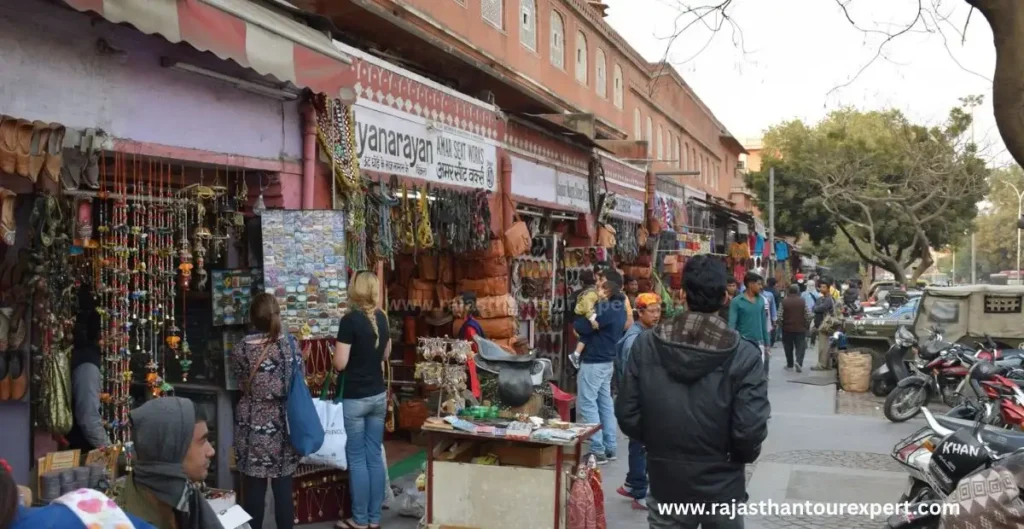
- Chandni Chowk: The heartbeat of Old Delhi shopping. Different lanes for different trades: Dariba Kalan, for silver jewelry, Kinari Bazaar for wedding accessories and other embellishments, Nai Sarak for books.
- Dilli Haat: An open-air crafts market in the vicinity of INA, where artisans from all over India sell their products directly to customers. Prices that are fixed, a variety of items, and delicious food options make it an absolute must-see.
- Lajpat Nagar Central Market: It is loved by locals for ethnic clothes as well as home furnishings at very affordable costs.
- Hauz Khas Village: For contemporary Indian fashion, designer independent labels, as well as art galleries.
- Janpath Market: Touristy, but useful for inexpensive jewelry, embroidered bags, and cotton clothes.
Shopping advice for Delhi: Bargaining is common in all open markets, but not in fixed-price public outlets or stores with branded names. Begin at about half the cost of market stalls and then bargain from the point of departure. Don’t be enticed by the prospect of buying, and walking away is usually the most effective negotiation tactic.
Golden Triangle Shopping Guide: Shopping in Agra
Agra is most well-known for its Taj Mahal, however, it also has a rich art tradition that goes beyond its most famous landmark. Agra is located in the center of one of the most important Indian handicraft zones, and the artisans there have been perfecting their skills for centuries, many of them descendants of the same artisans who constructed and embellished the Taj Mahal.
What to Buy in Agra
Now, in this Golden Triangle Shopping Guide, let us discuss what to buy in Delhi:
- Marble inlay work (Pietra Dura): The most popular souvenir of Agra. Artists create intricate floral or geometric designs by inlaying semi-precious stones such as lapis lazuli, malachite, and carnelian, as well as mother-of-pearl, in white marble. There are a variety of items available, from small coasters to table tops. You can watch artisans at work in their workshops, which are located near the Taj Mahal’s eastern gate.
- Leather products: Agra is among the largest Indian production centers for leather. Belts, shoes, bags, and wallets, as well as jackets, are available at a reasonable price, especially within Sanjay Place and the Sadar Bazaar region.
- Zardozi embroidery: An ancient Mughal embroidery technique that uses silver and gold threads to create intricate designs on fabrics. Zardozi embroidery in Agra is among the best work in India and can be seen on cushions as well as wall hangings and on clothing.
- Dhurries and carpets: Hand-knotted carpets, as well as flat-woven dhurrie rugs from Agra’s workshops, are sold across the world. Visit a trusted workshop to witness the weaving process in action and know what you are purchasing before you commit to buying.
- Petha: This famous sweet of Agra is made of ash gourd and comes in a variety of flavors. Get a box of Panchhi Petha in Sadar Bazaar, which is the city’s most reliable and well-established manufacturer.
Where to Shop in Agra
- Sadar Bazaar: Agra’s primary commercial market, a great place to buy textiles, leather and sweets from the local market.
- Kinari Bazaar: Specializes in zardozi embroidery, bridal accessories and Mughal-inspired crafts that are traditional.
- Marble workshops near the Taj: The assortment of workshops located on Fatehabad Road and near the east gates of the Taj Mahal are the best locations to view marble inlay work being produced and buy directly from the artisans.
Shopping tips for Agra: Be suspicious of commission salesmen close to the Taj Mahal who steer tourists to a specific shop to earn a commission. Make sure you shop at a government-approved store or a shop recommended by your tour guide for purchases of marble inlay, since the quality of marble inlay can vary greatly, and fakes are quite common.
Golden Triangle Shopping Guide: Shopping in Jaipur
Jaipur, the Pink City, is a paradise for buyers, from the world-famous jewelry and gem trade at Johari Bazaar to the block-print fabric workshops of Sanganer and the blue pottery studios scattered all over the city. If you have the chance to go shopping in one city within the Golden Triangle Tour, make it Jaipur.
What to Buy in Jaipur
- Gemstones and Jewelry: Jaipur is among the most important trading and cutting centers for gemstones, which account for a substantial portion of the world’s colored gemstones. Sapphires, rubies, emeralds tourmalines, garnets and emeralds are all available and set in silver and gold in the traditional meenakari and kundan designs.
- Block-printed fabrics: Jaipur’s block print fabric tradition is among India’s best. The village that is nearby Sanganer is the most renowned center of this art, creating delicate floral designs on silk and cotton with hand-carved wooden blocks as well as natural dyes.
- Blue pottery: This is a distinctive Jaipur craft of Central Asian origin. Blue pottery is made of no clay. It is made of quartz stone powder, which gives the pottery a distinctive semi-transparent look. Find bowls, tiles, vessels, vases, and ornamental plates with brilliant cobalt or white.
- Bandhani (tie-dye) fabrics: Bright tie-dyed fabric with traditional Rajasthani patterns, which are used to make dupattas, sarees, as well as fabric for dresses. Bapu Bazaar and Tripolia Bazaar are among the most popular places to shop.
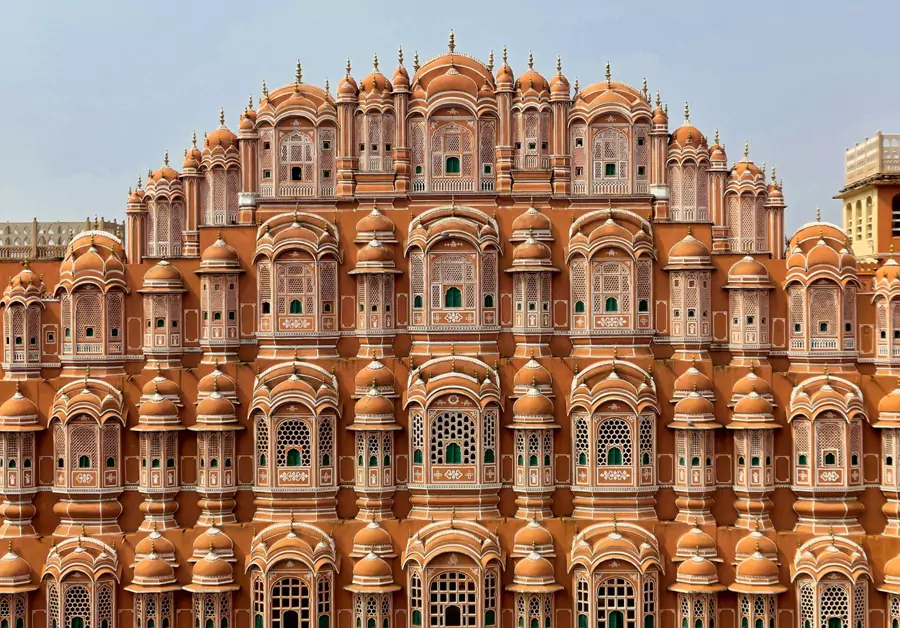
- Lac Bangles: Jaipur is renowned for its vibrant lac bangles that are made from natural resin and embellished with beads, mirrors, and stones. Bangle makers from Maniharon ka Rasta (Bangle Makers’ Lane) near Hawa Mahal are a stunning experience.
- Miniature paintings: Jaipur’s School in miniature painting, influenced by Mughal as well as Rajput courts, produces stunning, precise works on silk, ivory paper, as well as camel bone. Original works by talented artists are truly valuable souvenirs.
- Mojaris (traditional leather shoes): Beautifully embroidered traditional Rajasthani footwear with a wide range of colors and styles at great prices in the city’s market.
Where to Shop in Jaipur?
Now these are the places where to shop in this Golden Triangle Shopping Guide:
- Johari Bazaar: This is the jewelry and gemstone center of Jaipur. A multitude of traders and shops make up the bustling street, offering everything from authentic precious stones to cheap fashionable jewellery.
- Bapu Bazaar: Best for textiles such as bandhani fabrics, mojaris, and ready-made Rajasthani clothes at extremely reasonable costs.
- Tripolia Bazaar: Traditional lac bangles, brass vessels, and antique-style home décor.
- Maniharon ka Rasta: It is a narrow lane that is located near Hawa Mahal where you can observe bangle makers at work and purchase directly from the artisans.
- Anokhi: A cherished Jaipur-based brand recognized for its top-quality block-print apparel that is ethically made and furniture for the home. The fixed prices and the consistency in quality make Anokhi a trusted choice.
- Rajasthan Government Emporium (Rajasthali) MI Road: Fixed prices, authentic craft, and a vast variety of Rajasthani handicrafts all under one roof.
Shopping tips for Jaipur: For gemstones, always seek a certification from a reputable gemological laboratory, such as GIA as well as IGI. Trustworthy dealers will give you the certificate without hesitation. Beware of buying jewellery or gems from vendors or stores near tourist attractions without independent confirmation.
General Shopping Tips for Golden Triangle Shopping Guide
- Take cash in smaller denominations. Many market sellers and small shops prefer cash, and might not have enough change for larger bills.
- Government outlets offer fixed costs and quality guarantees. They are the most secure option in case you are uncertain about the authenticity of the product.
- Bargaining is a part of daily life in markets that are open. Consider it a friendly exchange, rather than a confrontation. Always remain courteous.
- Beware of factory and workshops that are organized by hotel employees or drivers, as they usually involve commission arrangements that can increase prices substantially.
- Shipping large purchases to your home is much simpler than you imagine. Many reliable dealers provide safe international shipping services for carpets, marble products, and furniture.
- When purchasing textiles, inquire about washing instructions and if the dyes are chemical or natural. Natural dyed fabrics are more desirable and sustainable for the environment.
- Keep your receipts and customs regulations in a variety of countries permit the import of duty-free products up to a certain amount, and having the proper evidence of purchase can help.
Explore in the Golden Triangle with Rajasthan Tour Expert
Shopping around the Golden Triangle tourist circuit is one of the most enjoyable things to do; however, it could be a source of the most dangerous pitfalls if you don’t have the proper advice. No matter with a detailed Golden Triangle Shopping Guide, there are a few things which you may miss.
Understanding which markets to visit, which vendors to trust, and what items are genuine requires knowledge of the local market that can only be gained through experience. This is precisely the kind of knowledge Rajasthan Tour Expert brings.
With years of experience in curating Golden Triangle and Rajasthan tours for tourists from all over the globe, our local guides know every nook and cranny of Delhi’s bazaars, Agra’s marble workshops, and Jaipur’s laneways for jewelry.
In addition, with the Rajasthan Tour Expert, you will also receive:
- Fully personalized Golden Triangle itineraries with dedicated time for shopping included.
- Local experts who understand the market inside out and can assist you in negotiations and assessing the quality of products.
- Verified vendor recommendations from trusted vendors based on decades of experience
- Extension possibilities into Rajasthan to shop more at Jodhpur, Udaipur, and Jaisalmer.
- Fast and prompt support throughout your journey.
Conclusion
This Golden Triangle shopping guide reveals the things that every experienced traveler may not know. Delhi, Agra, and Jaipur aren’t just destinations to visit, but also for the purpose of collecting. Every bazaar, every market, and every workshop has a story to tell that goes across hundreds of years. So if you are planning a Golden Triangle Trip, let Rajasthan Tour Expert help it to make it memorable and comfortable.