Best Time to Visit Delhi: Weather & Travel Guide
Delhi is a city that is never asleep. It is an expansive, multi-layered city in which the earliest Mughal monuments sit alongside boulevards built in the colonial period and shining modern-day urban skylines. It is the capital of India and the beginning point of the renowned Golden Triangle tourist circuit. Delhi is a magnet for tourists each year from all over the world. However, ask any experienced traveler, and they’ll say the same thing: knowing the best time to visit Delhi will make all the difference between a vacation you will cherish and one you will simply have to endure.
To be precise, the climate of Delhi is inclined towards extremes. The summers are very harsh while the winters are too cold. This comprehensive travel and weather guide covers every season in detail so that you can pick the best time to travel to Delhi according to your personal preferences, budget, travel plans, and spending plans.
Delhi at a Glance: Understanding the Climate
Delhi is situated within the Indo-Gangetic Plain in northern India and has a semi-arid climate with four seasons. Temperatures can vary dramatically between -5 degrees Celsius during winter nights, up to 45 degrees Celsius in the hottest part of summer. The humidity rises dramatically in the monsoon season, and the quality of air becomes an issue in the winter and in the late autumn due to the burning of crops in states nearby, along with pollution from industrial and vehicular sources.
Understanding the extremes of each season is vital to planning an enjoyable journey. The great thing is that there’s an obvious best time to visit Delhi and if you are able to match your travel plans to it, the city will reward its visitors generously.
October to November: The Best Time to Visit Delhi
If there’s the best time to visit Delhi, the best time to visit is between October and November. The monsoon has receded and is washing the city in a clean manner and revealing relatively fresh air as well as lush, green environs. The temperature is settling into a pleasant range of 15-30 degrees Celsius. The skies are clear, and the city is alive with post-monsoon enthusiasm.
October also has the most renowned Indian festivals. Navratri and Dussehra bring the city to life with music, color, and the stunning lighting of Ravana idols on Dussehra night, an experience like nothing else anywhere else in the world. Diwali is the festival of lights, which usually falls between October and November, and transforms Delhi into an enchanting city with millions of glowing diyas. If you’ve always thought of experiencing India in its most vibrant form, scheduling your trip to coincide with this time is the ideal choice you could make.
The primary concern for November is that the air quality starts to decline during the second half of the month when the stubble burning season is at its peak throughout Punjab as well as Haryana. If you’re at risk of pollutant levels, plan to go in the month of October or the beginning of November, rather than earlier in November.
December to February: Cool Winters and Peak Tourist Season
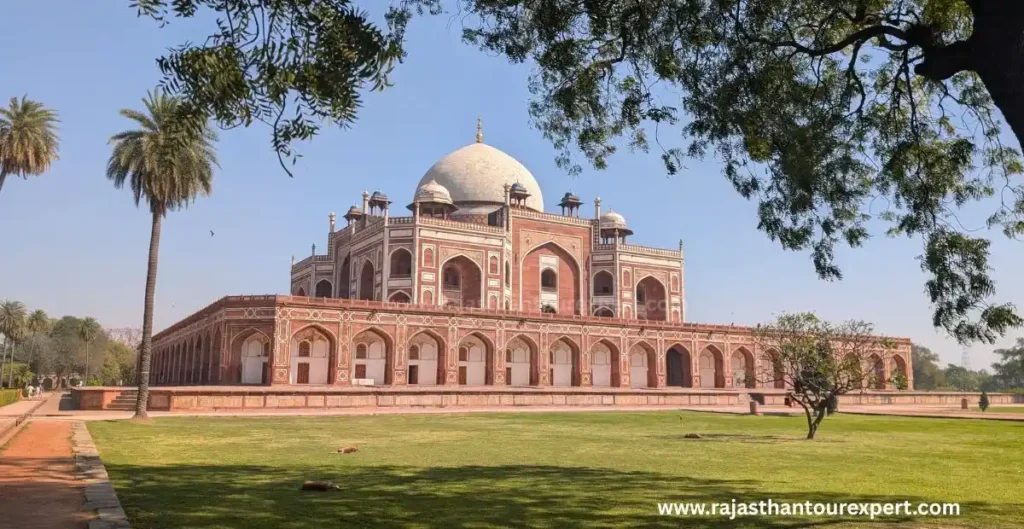
The peak tourist season in Delhi is the winter season, and it’s not without reason. From December to February, temperatures vary between 5 and 20 degrees Celsius, which makes sightseeing enjoyable. The days are bright and cool, ideal to explore Red Fort, Humayun’s Tomb, Qutub Minar, and the boulevards that are grand in Lutyens’ Delhi on foot. Evenings are cool and frequently amazing, particularly in the bazaars of the old city, where the streets lit by lanterns in Chandni Chowk take on a unique warm glow.
The month of December is particularly characterized by an increase in international tourists. Delhi hosts a variety of festivals, food festivals, and art fairs during this time. India Art Fair in January and Delhi’s renowned street food scene, considered to be among the best in the world, gets its best when it is in the colder months, where outdoor dining is a real delight.
The negatives of winter include clouds and pollutants. Fog can be a major issue for trains and flights during the months of January or February. leading to major delays. The quality of air remains a problem throughout January, but it usually improves around mid-February. Layer up. Mornings and evenings are often extremely cold, while afternoons heat quickly.
Since winter is the peak season, the cost of accommodation and tours is at its highest. Plan your travel well in advance, at least 2 to 3 months ahead, when you are planning to travel between December and February.
March to April: A Brief but Beautiful Spring
March and early April are brief but are also the best time to visit Delhi. The temperature ranges between 20 and 32 degrees Celsius, which is warm but not oppressive. The city’s gardens and parks are bursting with color, and the renowned Lodhi Garden, as well as the Mughal Gardens (open to the public for a short time every year), are stunning at this time of the year. Holi, the festival of color, occurs in March and is among India’s most vibrant and memorable celebrations.
The spring season also has the advantage that tourist crowds are less out in comparison to January and December, as prices fall somewhat. If you’d like to visit the monuments of Delhi in peace and have comfortable outdoor temperatures without the high-season cost, then March is the perfect time to go.
The temperatures are at their peak in mid-April and begin increasing rapidly towards summer temperatures. If you’re visiting during April, schedule your outdoor excursions for the mornings before dawn and in late afternoons. You can also use the afternoon heat as a chance to explore Delhi’s amazing museums and indoor places of interest.
May to June: The Brutal Summer — Avoid If Possible
Delhi’s summer isn’t for the faint of heart. From May to June, temperatures typically exceed the 40-degree mark Celsius and can reach the 47-degree mark during the heat wave. Dust-laden, hot winds known as loo swathe across plains, which can make outdoor activities extremely risky during midday. Humidity is generally low during this time; the heat of the day can make you exhausted and dehydrated.
Summer is not the best time to visit Delhi when you want to go sightseeing. The monuments are not shaded, and lines during the summer hot sun are a nightmare, and overall, the experience of visiting the city is reduced dramatically. Tour packages and hotels are the most affordable at this time; however, these savings are not enough to make up for the inconvenience.
If you have to visit Delhi in the summer months, maybe as part of a larger India tour, restrict outdoor activities to 9 am in the morning and resume after 6 pm in the evening. Keep hydrated, bring sunscreen, and make sure you use air-conditioned transportation between the attractions.
July to September: The Monsoon Season
It is believed that the Southwest Monsoon reaches Delhi in the latter half of June or in the beginning of July, offering relief from the scorching summer heat. The temperature drops to a moderate thirty to 36 degrees Celsius; however, humidity increases quickly, making it feel warm and sticky. A heavy downpour can lead to floods in certain areas of the city. Also, the more older areas of Delhi, specifically Old Delhi can be difficult to navigate during the heavy rains.
For many international visitors, the monsoon season is not the best time to visit Delhi. Outdoor excursions become less dependable, and the monuments are slippery and packed with people in the rain, and the general condition of Delhi’s streets can be difficult. But the monsoon does offer its advantages. The city is green nearly all night, the heat is broken quickly, and there is an energy of celebration on the streets when people rejoice at the onset of the rains.
Travelers on a budget who don’t dislike weather changes, the monsoon months have the cheapest hotel rates and the tiniest crowds throughout the year. September is a fascinating choice because the rains are beginning to ease, and the city becomes beautiful and picturesque, and the pre-festival excitement of October is right in the distance.
Plan Your Delhi Tour With Rajasthan Tour Expert
Delhi is the ideal beginning point for any India trip and Rajasthan Tour Expert is here to make your travel plan easy. With years of expertise in creating custom India itineraries for travelers from all over the world, we are able to transform your trip to the city of Delhi into the ideal opening section of a truly memorable trip.
The majority of our visitors combine Delhi with the entire Golden Triangle tourist circuit, which includes Delhi, Agra, and Jaipur.
If you book a trip via Rajasthan Tour Expert, you receive:
- Expert advice on the ideal moment to go to Delhi and Rajasthan, depending on your particular travel schedule.
- Fully customizable itineraries, from quick five-day Golden Triangle tours to 20-day Rajasthan explorations.
- Expert, experienced local guides in each city that are able to bring history and culture to the forefront.
- Select carefully selected hotels that are affordable for everyone, from guesthouses with a boutique feel to luxurious heritage properties.
- Transfers that are seamless, logistical, and prompt, allowing you to focus on enjoying your experience.
- Transparent pricing, no hidden fees, and flexible scheduling options.
Are you ready to make plans for your Delhi trip? Get in touch with our travel experts today. We’ll help you select the best time to travel to Delhi, make the best itinerary, and ensure that every minute of your India trip is beyond your expectations.