UNESCO World Heritage Sites in the Golden Triangle You Should Know
The Golden Triangle route, covering Delhi, Agra, and Jaipur, is among the most famous travel routes in India. The thing that makes this route distinctive is not just its diversity in culture or architectural splendor; however, it is the existence of several UNESCO World Heritage Sites that are a reflection of India’s rich and complex history.
These Heritage Sites in the Golden Triangle aren’t just tourist destinations; they are living proof of art, culture, and the traditions that have shaped the country over the course of centuries. From Mughal elegance to Rajput splendor, each of the sites gives a different view of the history of India.
This thorough guide will help you understand the most important UNESCO-listed places you must not miss during the Golden Triangle journey.
Why UNESCO Heritage Sites Define the Golden Triangle Experience
It is said that the Golden Triangle Tour is often recommended due to its focused experience of India’s history. Within a fairly short distance, you have access to the most famous historical landmarks within the country.
These websites stand out due to the fact that they:
- Represent outstanding universal value
- Display architectural and cultural excellence
- Save stories of mighty families
- Achieve worldwide recognition and boost tourism
A look at these places can give your trip a deeper meaning and significance, and make it more than just a sightseeing experience.
UNESCO Heritage Sites in Delhi
Delhi has three UNESCO World Heritage Sites that represent its lengthy and intricate history. Being one of the oldest continuously habitable cities in the world, Delhi has witnessed the change of power empires, each with its own impressions of culture and architecture. These sites of heritage aren’t only monuments; they tell tales carved into stones, illustrating different times in the development of India.
Red Fort
The Red Fort is one of the most famous icons of India. It was constructed around 17th-century in the 17th century by Mughal Shah Jahan, the Mughal Emperor Shah Jahan. This grand fort was the primary home for the Mughal rulers for over 200 years. The walls of red sandstone extend for two kilometers and create a magnificent structure that displays both strength and beauty. The fort was more than a residence, but it was also an administrative center and a power during the Mughal period.
What Makes It Special
- The massive red walls of sandstone, as well as grand gates, set the tone for the entire skyline
- Complex Mughal architecture with intricate design and carvings
- The significance of this place is important because the Indian PM raises the national flag during Independence Day.
What to Experience
- Discover your way through the Diwan-i-Aam (Hall of Audiences) in which the emperor spoke to ordinary people.
- Go to the Diwan-i-Khas (Hall of Private Audience), known for its elaborate rooms
- Enjoy large palaces and vast courtyards, which once belonged to royal families.
- Enjoy the evening’s light and sound show that tells about the history of the fort.
Humayun’s Tomb
The Humayun’s Tomb is frequently viewed as a prelude to the Taj Mahal, and with good reason. It was built during the sixteenth century. The magnificent structure was commissioned by the Empress Bega Begum in memory of her husband, the Emperor Humayun. It was the start of a new period of Mughal architecture, which incorporated Persian design elements together with Indian workmanship.
Key Highlights
- The first garden-tomb on the Indian subcontinent established an example for the next Mughal monuments
- A strong Persian influence on its design, such as the use of Charbagh (four-part garden)
- Symmetrical design featuring white marble and red sandstone details
Why It Matters
- It was used as an architectural model for later monuments, like the Taj Mahal.
- It is the earliest stage of Mughal architectural development
- Shows the fusion of different styles of culture that were brought about by the Mughals
Qutub Minar
Qutub Minar Qutub Minar is the tallest brick minaret in the world, and one of the most important UNESCO World Heritage Sites in Delhi. It was constructed in the 12th century. It marked the start of the era of Islamic dominance in India and serves as an emblem of victory and the transformation of culture.
Features
- A 73-meter-high tower constructed of marble and red sandstone.
- intricate carvings, inscriptions, and engravings from the Quran
- A fine example of the Indo-Islamic architectural style
- Surrounded by historic structures such as the Quwwat-ul-Islam Mosque
Visitor Experience
- Explore the Qutub complex and explore the surrounding ruin sites
- Pay attention to the intricate carvings and inscriptions that show the earliest workmanship
- Go to the Iron Pillar, known for its anti-rust property
It is believed that the Qutub Minar has more to offer than just a towering structure. It is an early example of Islamic architecture in India and demonstrates how various influences of different cultures combined to form something distinctive. The complex’s surroundings add more depth to the experience giving visitors the opportunity to discover many layers of history within the same place.
UNESCO Heritage Sites in Agra
Agra is home to the most renowned Heritage Sites in the Golden Triangle that provide a deeper look into Mughal culture, history, and artistic beauty. Each of these sites is a tale of strength as well as emotion and creativity.
Taj Mahal
The Taj Mahal is more than an architectural structure; it’s an experience. It was built by the emperor Shah Jahan in memory of his wife Mumtaz Mahal, and it stands as a timeless symbol of love and devotion.
Why It Is World-Famous
- Created to symbolize forever love
- It is known for its flawless balance and beautiful white marble beauty
- Recognized as one of the Seven Wonders of the World
What to Experience
- Sunset and sunrise views that change its appearance
- Marble inlay intricate work and handiwork
- Well-maintained and reflecting pools, as well as gardens
It’s the most memorable part of every Golden Triangle trip.
Agra Fort
It is believed that the Agra Fort is a different UNESCO site that demonstrates the sophistication and strength that was the Mughal Empire. Built with enormous red walls of sandstone, it was used as a fortress of military force and a royal residence.
Key Features
- Massive fortifications and impressive gateways
- Halls, palaces and courtyards inside the complex
- Strategic design that reflects the military’s plans
Why Visit
- Gives a better understanding of Mughal lifestyle and governance
- Gives spectacular images of the Taj Mahal from within
Agra Fort provides historical context and depth to your experience.
Fatehpur Sikri
Located near Agra, Fatehpur Sikri is an impressively preserved Mughal city, which was constructed by the emperor Akbar.
Highlights
- Mix with Persian, Indian, and Islamic architectural styles
- iconic structures such as Buland Darwaza, Jama Masjid
- The layout is carefully planned to reflect the imperial vision
Unique Appeal
- A whole city from the past that is like it’s been frozen in time
- A little less crowded, providing an experience that is more relaxing
It offers an unrivaled perspective on Mughal urban development and ambition.
UNESCO Heritage Sites in Jaipur
Jaipur brings royal elegance and scientific brilliance to the Golden Triangle, offering a new dimension to the Golden Triangle’s heritage.
Jantar Mantar
The Jantar Mantar is a UNESCO-listed observatory for astronomy constructed during the late 18th century, under Maharaja Sawai Jai Singh II.
What Makes It Unique
- Houses the world’s largest stone sundial
- Blends mathematics, science, and architecture
- Created to make precise observations of astronomy
Visitor Experience
- Learn more about the history of Indian Astronomy
- Look at large-scale instruments to calculate
It is a reflection of india’s technological advancements in the earlier eras.
Jaipur City (Pink City)
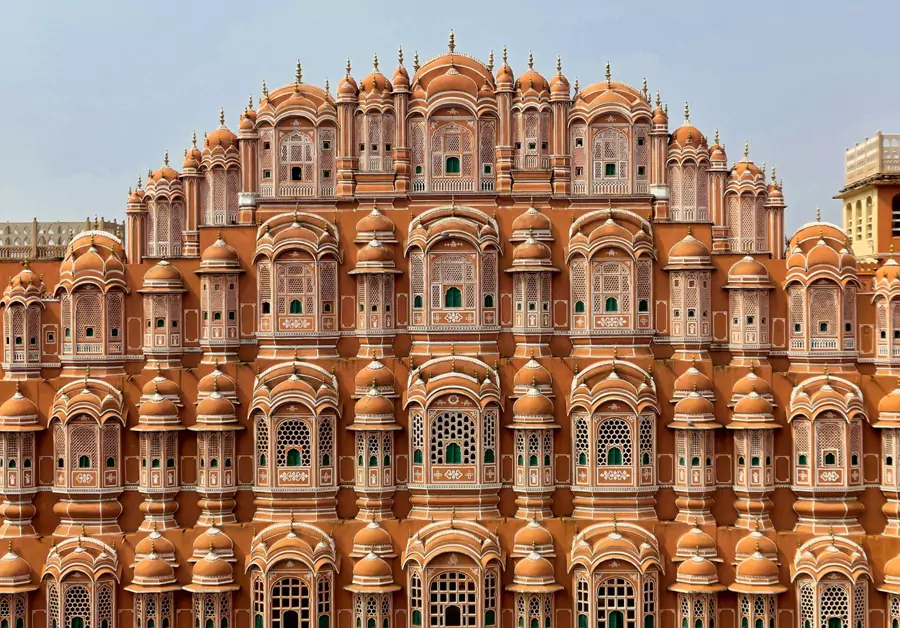
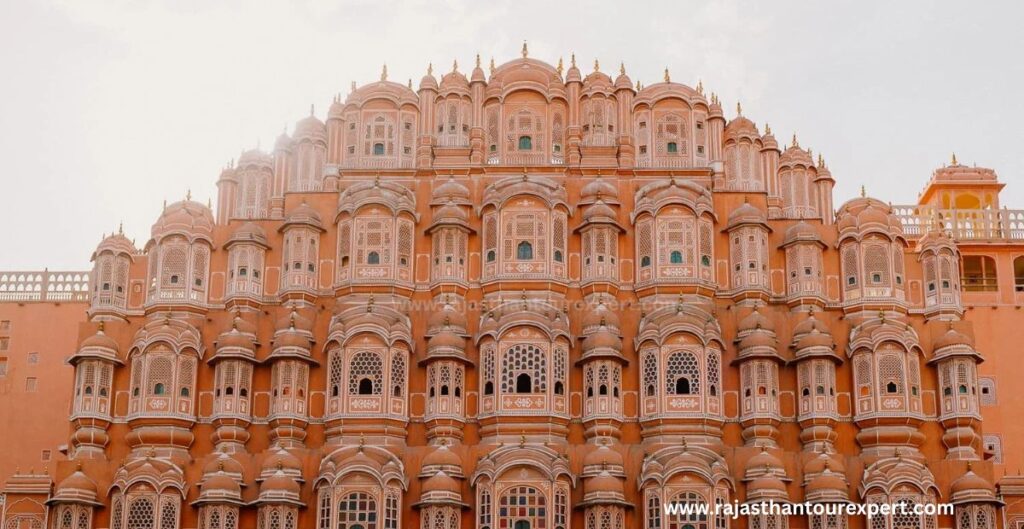
The city’s walled-in history in Jaipur itself is a UNESCO World Heritage Site, known for its urban design and harmony in architecture.
Key Features
- Grid-based, planned city layout
- Pink-colored buildings with distinct distinction
- Bazaars that are bustling and historic structures
What to Explore
- Local markets are known for their textiles and crafts
- Traditional roads, gates, and spaces for cultural activities
This distinction emphasizes Jaipur’s blend of practicality and culture, which makes it an integral element in the Golden Triangle experience.
Why These Heritage Sites Make the Golden Triangle Special
Golden Triangle’s Heritage Sites aren’t just separate attractions. Together, they provide an overall experience.
What You Gain
- A timeline of India’s history
- Exposure to various architectural styles
- Cultural understanding across regions
Unique Combination
- Mughal Architecture within Delhi as well as Agra
- Rajput heritage in Jaipur
- A blend of art, science, and traditional
This combination is what makes this Golden Triangle unmatched.
Tips for Visiting UNESCO Sites
- Make sure to go early in the morning to avoid the crowds at famous places such as the Taj Mahal and Red Fort, and experience a peaceful experience.
- Employ a local expert guide to get deeper insight into the historical context and interesting tales behind every monument.
- Follow the rules of the site and preservation guidelines by staying clear of zones that are restricted and by avoiding touching fragile structures.
- Take a pair of comfortable walking shoes because most sites of the past require long distances and uneven terrains.
- Use a reusable water bottle to keep well-hydrated, particularly during the warmer seasons.
- Wear sunglasses, sunscreen and a hat to shield yourself from the sun’s rays while visiting the outdoors.
- Make sure you have your ID, tickets, and other essentials in order for quick access at all entry points.
- Make your plans ahead of time to plan your trip effectively and avoid last-minute confusion.
- Avoid the afternoon rush hour when heat and crowds are at their peak.
- Light and portable, so you can easily move between different sites and truly enjoy your visit.
Why Rajasthan Tour Expert Is the Best Choice for Your Heritage Journey?
The exploration of these Heritage Sites in the Golden Triangle is even more enjoyable when you have the right travel partner. Rajasthan Tour Expert will ensure that your trip is easy and efficiently planned.
What We Offer?
- Customized itineraries encompassing all the major UNESCO websites
- Comfortable travel through Delhi, Agra, and Jaipur
- Expert guides for deeper historical insights
- The most carefully selected accommodations
- Transparent pricing without hidden charges
Why Choose Us?
- Reduce time and eliminate stress in planning
- Experience sites from the past more effectively
- Enjoy a smooth and relaxing journey
Final Thoughts
Heritage Sites in Golden Triangle are what define this famous travel route. From the splendor of the Taj Mahal to the historical profundity of the Red Fort and the scientific beauty that is Jantar Mantar, each of the sites provides a distinct element to your trip.
If you’re looking to explore India’s history in a systematic and meaningful way, then the Golden Triangle offers the perfect way. With a reliable partner such as Rajasthan Tour Expert, your trip will not only be unforgettable, but truly extraordinary.