The 5 Best National Parks in India to see Tigers
India is home to the majestic Bengal tiger, a symbol of power, beauty, and wilderness. With over 50 tiger reserves spread across the country, India offers some of the best opportunities in the world to witness these incredible creatures in their natural habitat. Tiger safaris not only give you a chance to see these elusive predators up close but also allow you to explore the diverse landscapes, forests, and wildlife that make each national park unique.
From the historic forts of Rajasthan to the dense forests of Madhya Pradesh and the lush greenery of Uttarakhand, each park has its own charm and wildlife stories. Whether you are an adventure seeker, a wildlife photographer, or simply a nature enthusiast, planning a visit to India’s tiger reserves can be a thrilling experience. In this guide, we will take you through the five best national parks in India to see tigers, along with tips on when to visit, what to expect on a safari, and other attractions nearby.
1. Ranthambore National Park, Rajasthan
Ranthambore National Park, located in the Sawai Madhopur district of Rajasthan, is one of India’s most famous tiger reserves. Spanning over 392 square kilometers, the park is not only renowned for its tigers but also for its historical ruins, including the iconic Ranthambore Fort, a UNESCO World Heritage site. The park’s rugged terrain, rocky outcrops, and dense forests create a perfect habitat for tigers and other wildlife, making it a top destination for nature enthusiasts.
Tiger Sightings & Safari Experience
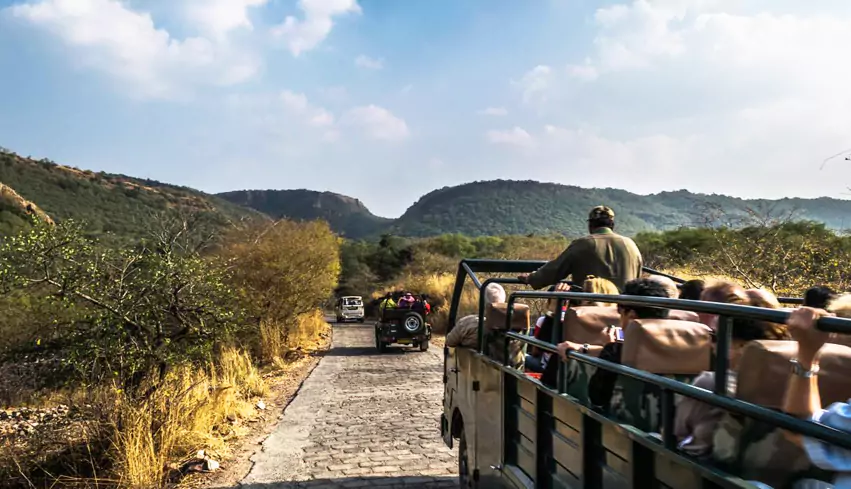
Ranthambore is known for its relatively high tiger sighting rates, especially during the dry season from October to June, when tigers come out to water bodies. Safaris are conducted in open jeeps or canters, offering visitors a thrilling chance to spot tigers in the wild. Morning and afternoon safaris are both popular, with trained guides providing insights about tiger behavior, markings, and other wildlife. Booking in advance is recommended, as Ranthambore is a highly sought-after safari destination.
Other Attractions
Apart from tigers, the park is home to leopards, sloth bears, striped hyenas, and over 300 species of birds. The Ranthambore Fort adds a historical and architectural dimension to your visit, while scenic lakes like Padam Talao and Raj Bagh Talao offer perfect spots for photography and nature walks. Visitors can also enjoy jeep safaris around the fort and watch ancient temples nestled within the forest.
2. Bandhavgarh National Park, Madhya Pradesh
Located in the heart of Madhya Pradesh, Bandhavgarh National Park is one of India’s premier tiger reserves, famous for its dense tiger population. Covering an area of around 446 square kilometers, the park is also rich in history, with the Bandhavgarh Fort perched on a hill offering panoramic views of the surrounding forest. Its mix of tropical forests, grassy meadows, and rocky terrain provides a perfect habitat for tigers and other wildlife species.
Tiger Population & Safari Tips
Bandhavgarh is often considered one of the best places in India for tiger spotting, thanks to its high tiger density. The best time to visit is from October to June, when tigers are more visible near water sources. Safaris are conducted in open jeeps with trained guides who help identify tiger markings and track movements. Morning safaris are particularly recommended for the highest chances of sightings, while afternoon safaris provide beautiful light for photography.
Attractions Beyond Tigers
Apart from tigers, Bandhavgarh is home to leopards, wild dogs, sloth bears, and a variety of deer species. Birdwatchers can enjoy spotting peafowls, kingfishers, and raptors. The historical Bandhavgarh Fort adds a cultural element, while the forest trails and scenic landscapes make it a paradise for nature lovers and photographers alike.
3. Jim Corbett National Park, Uttarakhand
Jim Corbett National Park, situated in the Nainital and Pauri Garhwal districts of Uttarakhand, holds the distinction of being India’s first national park, established in 1936. Spanning over 520 square kilometers, it is part of the larger Corbett Tiger Reserve and is famed for its rich biodiversity. The park’s landscapes range from dense sal forests and grasslands to riverine belts along the Kosi and Ramganga rivers, creating an ideal environment for tigers and other wildlife.
Tiger Sightings & Safari Experience
Jim Corbett is highly popular among wildlife enthusiasts for tiger sightings, with the best time to visit from November to June. Safari options include open jeeps and canters, divided across different zones like Dhikala, Bijrani, and Jhirna. The Dhikala zone, in particular, is considered the prime area for tiger spotting due to its large grasslands and waterholes. Knowledgeable guides accompany visitors, sharing insights into tiger behavior, tracks, and signs, enhancing the safari experience.
Other Activities
Apart from tigers, the park houses leopards, elephants, wild boars, and over 600 species of birds. Nature trails, birdwatching tours, and river-side photography offer additional ways to explore the park. Corbett’s serene landscapes and rich flora make it a must-visit destination for adventure seekers, photographers, and wildlife lovers alike.
4. Kanha National Park, Madhya Pradesh
Overview
Kanha National Park, located in the Mandla and Balaghat districts of Madhya Pradesh, is one of India’s largest and most well-managed tiger reserves. Spanning over 940 square kilometers, it inspired Rudyard Kipling’s famous novel The Jungle Book. The park’s diverse landscapes include dense forests, open meadows, bamboo groves, and rivers, making it an ideal habitat for tigers, leopards, and other wildlife species.
Tiger Safari & Wildlife
Kanha is known for its healthy tiger population and excellent tiger spotting opportunities. The best time to visit is from October to June, when the dry season forces wildlife to gather near water sources, increasing the chances of sightings. Safari tours are available in open jeeps, guided by experienced naturalists who help track tiger movements and identify wildlife. Besides tigers, visitors may also spot barasingha (swamp deer), Indian leopards, wild dogs, and a variety of birds.
Scenic & Cultural Highlights
The park is not only about wildlife; it also offers a glimpse into the local tribal culture. The surrounding villages of Kanha are inhabited by the Baiga tribe, whose traditional lifestyle and crafts add a cultural dimension to the visit. The park’s lush landscapes, meandering rivers, and scenic viewpoints provide excellent opportunities for photography and nature walks.
5. Tadoba Andhari Tiger Reserve, Maharashtra
Tadoba Andhari Tiger Reserve, located in Chandrapur district of Maharashtra, is one of the oldest and most well-protected tiger reserves in India. Covering approximately 625 square kilometers, the park is known for its dense forests, scenic lakes, and rich biodiversity. Tadoba is often referred to as the “jewel of Maharashtra” due to its thriving tiger population and well-maintained habitats.
Tiger Sighting Opportunities
Tadoba offers some of the highest chances of tiger sightings in India, particularly during the dry season from February to June, when tigers are frequently seen near waterholes. Safaris are conducted in open jeeps, with experienced guides providing tips on tracking tigers and understanding their behavior. Early morning and late afternoon safaris are ideal for spotting these majestic cats in their natural environment.
Other Wildlife & Attractions
Apart from tigers, Tadoba is home to leopards, wild dogs, sloth bears, gaurs, and over 200 species of birds. Visitors can also explore the scenic Andhari Lake, which attracts a variety of waterbirds. The park’s quiet trails, beautiful forest landscapes, and abundant wildlife make it a perfect destination for wildlife photography and nature enthusiasts.
Tips for Planning a Tiger Safari in India
Planning a tiger safari requires some preparation to make the most of your wildlife adventure. Here are a few essential tips:
- Best Time to Visit
- Most tiger reserves are ideal to visit during the dry season, from October to June, as tigers are more likely to come out near water sources. Avoid the monsoon season (July–September) when parks are often closed due to heavy rains.
- Choosing Safari Options
- Safaris are typically conducted in open jeeps or canters. Jeeps are smaller and offer a more intimate experience, while canters can accommodate larger groups. Booking your safari in advance is recommended, especially in popular parks like Ranthambore and Bandhavgarh.
- Safety & Wildlife Etiquette
- Always follow your guide’s instructions and maintain a safe distance from wildlife. Avoid loud noises, littering, or feeding animals, as these can disrupt natural behavior.
- Photography Tips
- Carry a good zoom lens (200mm+), wear neutral-colored clothing, and be patient. Early morning and late afternoon safaris provide the best light for photography.
- Other Essentials
- Bring sunscreen, insect repellent, bottled water, and comfortable clothing suitable for the season. Carrying binoculars can enhance your wildlife spotting experience.
By keeping these tips in mind, your tiger safari will be safer, more enjoyable, and much more rewarding.
Conclusion
India’s national parks offer some of the most thrilling wildlife experiences in the world, and spotting a tiger in its natural habitat is an unforgettable adventure. From the historic landscapes of Ranthambore to the dense forests of Kanha and Jim Corbett, each park provides a unique blend of wildlife, scenery, and cultural heritage.
Whether you are a wildlife enthusiast, a photographer, or a nature lover, visiting these top tiger reserves not only brings you closer to one of the planet’s most majestic predators but also supports crucial conservation efforts. Plan your safari wisely, respect the wildlife, and immerse yourself in the beauty of India’s forests—you might just witness the elusive Bengal tiger in its regal element.