Best Things to do in Bikaner
Bikaner, a historic city located in the heart of the Thar Desert, is one of Rajasthan’s most fascinating yet underrated travel destinations. Known for its magnificent forts, rich camel culture, ancient temples, and world-famous Bikaneri snacks, the city offers a perfect blend of history, culture, and desert charm. Unlike the more crowded tourist cities of Rajasthan, Bikaner retains an authentic old-world feel, making it ideal for travelers who want to explore royal heritage without the rush.
Founded in the 15th century by Rao Bika, Bikaner has played an important role in shaping Rajasthan’s desert history. The city is home to the impressive Junagarh Fort, grand palaces, and unique attractions like the Karni Mata Temple, famously known as the Rat Temple. From exploring colorful local markets to enjoying a camel safari on golden sand dunes, there is no shortage of memorable experiences here.
In this guide, you will discover the best things to do in Bikaner, including top attractions, cultural experiences, food highlights, and practical travel tips to help you plan an unforgettable visit to this royal desert city.
Explore Historic Forts & Palaces in Bikaner
Bikaner’s royal past comes alive through its grand forts and majestic palaces, each telling stories of bravery, luxury, and artistic excellence. Unlike many desert forts built on hilltops, Bikaner’s forts stand proudly on flat land, showcasing a unique architectural style influenced by Rajput, Mughal, and British elements. Exploring these historic structures is one of the best things to do in Bikaner, especially for history lovers and architecture enthusiasts.
From intricately carved balconies and beautifully painted halls to massive courtyards and royal museums, the forts and palaces of Bikaner reflect the city’s former glory and strategic importance. These landmarks not only offer a glimpse into the royal lifestyle of the past but also provide excellent photo opportunities and cultural insights. Walking through these heritage sites helps visitors understand how Bikaner flourished as a powerful desert kingdom and a center of art and culture in Rajasthan.
Below are the most famous forts and palaces in Bikaner that you should not miss during your visit.
Junagarh Fort
Junagarh Fort is the most iconic and well-preserved monument in Bikaner, and a must-visit attraction for anyone exploring the city. Built in 1589 by Raja Rai Singh, the fort is renowned for its impressive blend of Rajput, Mughal, and Gujarati architectural styles. Surrounded by massive stone walls and bastions, Junagarh Fort looks formidable from the outside, while its interiors are surprisingly elegant and artistic.
Inside the fort complex, visitors can explore several beautifully designed palaces, including Anup Mahal, Gaj Mandir, Phool Mahal, and Chandra Mahal. These palaces are adorned with intricate mirror work, colorful frescoes, carved marble panels, and ornate ceilings that reflect the luxurious lifestyle of Bikaner’s royal family. The fort also houses a museum displaying royal costumes, weapons, paintings, and historical artifacts.
Junagarh Fort is located close to the old city area and is easily accessible. It is best visited in the morning or late afternoon to avoid crowds and harsh sunlight. A guided tour or audio guide can greatly enhance your experience by offering deeper insights into the fort’s history and architectural details.
Lalgarh Palace
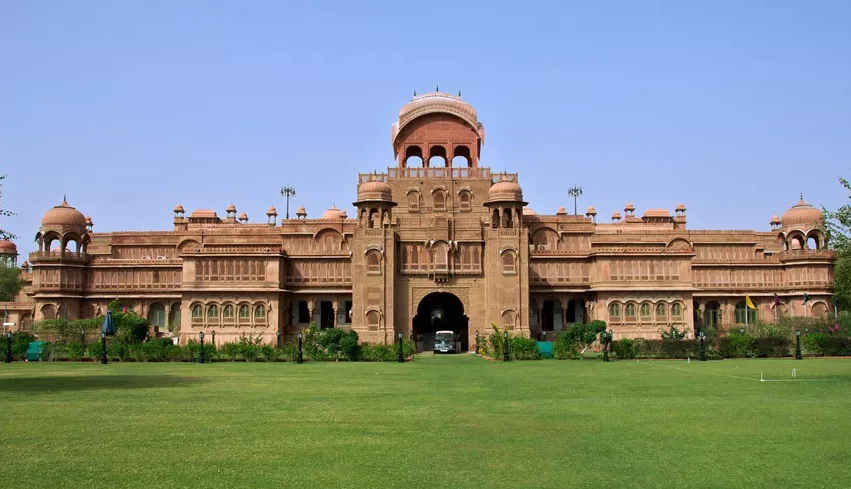
Lalgarh Palace is another prominent royal landmark in Bikaner, known for its striking Indo-Saracenic architectural style. Built in the early 20th century by Maharaja Ganga Singh in memory of his father, the palace is constructed using red sandstone sourced from the Thar Desert, giving it a distinctive and majestic appearance.
The palace features grand courtyards, intricately designed jharokhas, latticework, and elegant interiors that showcase a blend of Rajput, Mughal, and European influences. Part of Lalgarh Palace has been converted into a museum, where visitors can see royal photographs, hunting trophies, and historical memorabilia. Another section functions as a heritage hotel, allowing guests to experience royal hospitality.
Located slightly away from the city center, Lalgarh Palace is peaceful and less crowded compared to Junagarh Fort. It is an excellent place for photography, heritage walks, and understanding the modern royal history of Bikaner.
Laxmi Niwas Palace
Laxmi Niwas Palace is one of the finest heritage hotels in Rajasthan and a symbol of royal luxury in Bikaner. Originally built as a royal residence, the palace is known for its grand halls, polished marble floors, elaborate fireplaces, and beautiful gardens. The architecture reflects strong British and European influences while still retaining traditional Rajasthani design elements.
Even if you are not staying at the palace, visiting Laxmi Niwas Palace is worth it to admire its majestic exterior and opulent interiors. The palace often hosts cultural events, royal weddings, and high-profile gatherings, adding to its charm and prestige. It stands as a reminder of Bikaner’s royal legacy and offers a glimpse into the luxurious lifestyle of the erstwhile rulers.
Visit Famous Temples & Spiritual Places in Bikaner
Bikaner is not only a city of forts and palaces but also a hub of spiritual heritage. The city is home to several unique temples that attract devotees and tourists alike. From the mystical Karni Mata Temple, famously known as the Rat Temple, to intricately decorated Jain temples, these spiritual sites offer a glimpse into the religious and cultural fabric of Bikaner. Visiting them is not only a sightseeing activity but also an opportunity to experience the devotion, art, and rituals that have been preserved for centuries.
Karni Mata Temple (Rat Temple)
One of Bikaner’s most famous attractions, the Karni Mata Temple, is located in Deshnoke, about 30 km from the city. The temple is dedicated to Karni Mata, an incarnation of Goddess Durga, and is unique for its population of over 25,000 black rats, considered sacred by devotees. These rats freely roam the temple premises, and feeding or watching them is considered auspicious.
The temple’s architecture is equally impressive, with silver doors, marble corridors, and detailed carvings adding to its mystique. The best time to visit is early morning or during the evening aarti when the temple is less crowded. Visitors should follow temple etiquette by removing footwear, dressing modestly, and respecting the rituals inside.
Bhandasar Jain Temple
Located in the heart of Bikaner’s old city, the Bhandasar Jain Temple is a stunning example of Jain architecture and artistry. Built in the 15th century, the temple is dedicated to Sumatinatha, the fifth Tirthankara in Jainism. Its interiors are adorned with vibrant frescoes, gold leaf decorations, and intricate wall paintings depicting stories from Jain scriptures.
The temple is not only a place of worship but also a visual delight for art and architecture enthusiasts. Visiting during festivals like Mahavir Jayanti provides a deeper insight into Jain rituals and traditions. Photography is allowed in certain areas, but visitors should always be respectful of devotees and the sanctity of the temple.
Experience the Desert & Camel Culture in Bikaner
Bikaner’s identity is deeply tied to the Thar Desert, and no visit to the city is complete without experiencing its unique desert lifestyle. From thrilling camel safaris across golden dunes to exploring the heritage of camels at research centers, Bikaner offers a blend of adventure and cultural immersion. These experiences give travelers a firsthand glimpse into the traditional desert way of life and the important role camels have played in Rajasthan’s history.
Camel Safari in Bikaner
A camel safari is one of the most iconic experiences in Bikaner. Riding across the sand dunes at sunrise or sunset offers breathtaking views of the desert landscape, with endless golden sands and the clear blue sky creating the perfect backdrop for photography. Local guides often share fascinating stories about the desert, Bikaner’s history, and the nomadic lifestyle of its people.
Safaris can range from a few hours to overnight trips under the stars, with traditional Rajasthani meals and cultural performances adding to the adventure. The best season for a camel safari is from October to March when the weather is cool and pleasant. Whether you’re a solo traveler, couple, or family, this experience is unforgettable and a highlight of visiting Bikaner.
National Research Centre on Camel
For a more educational and interactive experience, the National Research Centre on Camel in Bikaner is a must-visit. This unique research center focuses on the breeding, conservation, and study of camels. Visitors can learn about different camel breeds, watch feeding sessions, and even interact with these gentle desert animals.
The center also showcases camel-based products, including milk, wool, and leather items, highlighting their economic and cultural significance in Rajasthan. Visiting the research center provides a deeper appreciation of camels’ role in desert life, agriculture, and local livelihoods. It’s an ideal stop for families, school groups, and anyone interested in wildlife and sustainable desert practices.
Discover Local Markets & Shopping in Bikaner
Bikaner is a treasure trove for shoppers, offering vibrant markets filled with traditional handicrafts, textiles, and souvenirs. Exploring these markets not only provides an opportunity to pick up unique items but also allows visitors to experience the city’s lively street culture, colorful bazaars, and local flavors. From handcrafted leather goods to intricately woven textiles, Bikaner’s markets reflect the city’s rich artisan heritage.
Kote Gate Market
Kote Gate Market, located near the old city, is one of Bikaner’s busiest and most famous shopping destinations. The market is a paradise for traditional Rajasthani crafts, including hand-block printed fabrics, colorful turbans, pottery, and decorative items. Visitors can also find beautiful jewelry, embroidered bags, and local souvenirs here.
The bustling lanes are lined with small shops and street vendors, offering an authentic shopping experience. Bargaining is common, so make sure to negotiate to get the best price. Kote Gate Market is also a great place to sample local snacks while exploring the colorful stalls.
Station Road & King Edward Market
Station Road and King Edward Market are ideal for those looking for a mix of traditional and modern shopping. These markets offer a range of products, from Bikaneri sweets and snacks to textiles, leather goods, and handcrafted items. Station Road is famous for its shops selling camel leather products, including belts, bags, and footwear.
King Edward Market, with its colonial-era charm, is perfect for picking up souvenirs and handicrafts. Walking through these markets provides a glimpse of everyday life in Bikaner, where locals and tourists mingle amidst a vibrant, colorful backdrop.
Taste Authentic Bikaneri Food & Sweets
Bikaner is not just a feast for the eyes with its forts and palaces—it’s also a paradise for food lovers. The city is famous for its spicy snacks, traditional Rajasthani cuisine, and world-renowned sweets. Sampling local delicacies is one of the best things to do in Bikaner, offering a delicious insight into the region’s culinary heritage.
Famous Bikaneri Snacks
Bikaner is synonymous with savory snacks, particularly Bikaneri Bhujia, a crispy, spicy snack made from moth beans and gram flour. This delicacy has gained international recognition and is a must-try for every visitor. Other popular snacks include kachaudi, papad, and mirchi bada, all of which showcase the bold flavors and spices typical of Rajasthani cuisine.
Many local sweet shops also serve traditional sweets like rasgulla, ghevar, and malpua, often prepared using age-old family recipes. Sampling these snacks in the bustling local markets or from famous sweet shops adds an authentic flavor to your Bikaner experience.
Best Places to Eat in Bikaner
For street food lovers, Nai Sarak and Station Road offer a variety of traditional snacks and sweets. Famous sweet shops like Bikanervala and local bakeries provide a taste of the city’s iconic desserts. For a more complete Rajasthani meal, restaurants like The Vatika Café and heritage hotels often serve dishes such as dal baati churma, gatte ki sabzi, and laal maas.
Eating in Bikaner is not just about the food; it’s about experiencing the local culture, flavors, and hospitality. Whether you are indulging in street food or enjoying a royal meal in a palace, Bikaner’s cuisine is sure to leave a lasting impression.
Attend Festivals & Cultural Experiences
Bikaner is a city that celebrates its rich culture and traditions with vibrant festivals and colorful performances. Visiting during these events offers travelers a chance to witness the city’s heritage come alive, from traditional music and dance to camel shows and royal processions. These experiences allow tourists to connect with the local community, understand their customs, and create lasting memories.
Camel Festival
The Bikaner Camel Festival is one of the city’s most famous events, held annually in January or February. During this festival, camels are adorned with elaborate decorations, and competitions are held for best-decorated camels, camel races, and camel dances. The festival also features folk music, traditional dance performances, and craft exhibitions, giving visitors a full cultural immersion.
The festival attracts tourists from all over India and abroad, making it an excellent opportunity to experience Bikaner’s desert culture at its liveliest. Photographers and culture enthusiasts will especially enjoy capturing the colorful parades and festive atmosphere.
Local Folk Music & Dance
Bikaner is also known for its folk music and dance, which are integral to local celebrations and everyday life. Performances featuring Ghoomar, Kalbeliya, and Bhavai dances are common during festivals, weddings, and cultural events. Visitors can experience these performances at heritage hotels, cultural centers, or during special festival nights.
These performances are not only entertaining but also offer insight into Rajasthan’s rich storytelling traditions, where music and dance narrate historical events, social customs, and folklore. Experiencing local performances adds depth and authenticity to a Bikaner visit.
Best Time to Visit Bikaner
The best time to explore Bikaner is during the cooler months, when the weather is comfortable for sightseeing and outdoor activities. Being a desert city, Bikaner experiences extremely hot summers and mild winters, so timing your visit is essential for an enjoyable experience.
October to March is considered the ideal period to visit. During these months, temperatures range from 10°C to 25°C, making it perfect for exploring forts, palaces, and temples, as well as enjoying desert activities like camel safaris. Festivals such as the Bikaner Camel Festival also take place during this season, adding a cultural highlight to your trip.
Summers (April to June) can be extremely hot, with temperatures soaring above 45°C, making outdoor sightseeing challenging. Monsoon season (July to September) brings minimal rainfall, but the desert landscape can become dusty and less accessible for some activities.
Planning your trip during the winter months ensures a comfortable climate, vibrant festivals, and the best opportunity to experience everything Bikaner has to offer.
How to Reach Bikaner
Bikaner is well-connected by air, rail, and road, making it easily accessible from major cities in Rajasthan and across India. Depending on your travel preferences, you can choose the mode of transport that best suits your itinerary.
By Air
The nearest airport is Nal Airport (Bikaner Airport), located about 13 km from the city center. It is a domestic airport with regular flights connecting Bikaner to Jaipur and Delhi. From the airport, taxis and auto-rickshaws are available to reach the city and nearby attractions.
By Train
Bikaner is well-connected by rail, with the Bikaner Junction serving as a major railway hub in Rajasthan. Trains from Delhi, Jaipur, Jodhpur, and other cities run regularly, offering comfortable travel options. The railway station is located close to the city center, making it convenient for travelers to start exploring immediately.
By Road
Bikaner can also be reached by road via state and national highways. Private cabs, buses, and taxis connect Bikaner to Jaipur (around 330 km), Jodhpur (around 330 km), and Delhi (around 580 km). Driving through the desert landscape offers scenic views and flexibility to explore nearby towns and attractions at your own pace.
Travel Tips for Visiting Bikaner
To make your visit to Bikaner enjoyable and hassle-free, it’s helpful to keep a few travel tips in mind. From clothing choices to budgeting and cultural etiquette, these suggestions will ensure you get the most out of your trip.
- Clothing & Comfort: Bikaner’s weather varies greatly between seasons. During winter, carry warm clothing, especially for early mornings and desert trips. In summer, wear light, breathable fabrics and stay hydrated. Comfortable walking shoes are essential for exploring forts, palaces, and markets.
- Local Etiquette: While visiting temples and religious sites, dress modestly and remove footwear. Respect local customs and traditions, especially during festivals or in rural areas. Always ask permission before taking photographs of locals or inside private areas.
- Budgeting & Expenses: Bikaner offers options for every budget, from heritage hotels to budget accommodations. Street food and local markets are affordable, while palace tours and camel safaris may be slightly more expensive but are worth the experience.
- Safety & Health: The city is generally safe for tourists, but take precautions with drinking water and street food. Carry sunscreen, sunglasses, and a hat to protect against the desert sun.
- Travel Essentials: Keep some cash handy, as small vendors may not accept cards. A local SIM card or good internet connectivity helps with navigation and bookings.
Following these tips will help ensure a smooth, comfortable, and memorable experience in the royal desert city of Bikaner.
Conclusion
Bikaner is a city that perfectly blends royal heritage, desert adventure, and cultural richness. From exploring the magnificent Junagarh Fort and grand palaces to visiting unique temples like the Karni Mata Temple, the city offers experiences that cater to every traveler’s interest. Add to this the thrill of camel safaris, vibrant local markets, and the irresistible flavors of Bikaneri snacks and sweets, and it’s clear why Bikaner deserves a spot on every Rajasthan itinerary.
Whether you are a history enthusiast, culture lover, foodie, or adventure seeker, Bikaner provides a unique glimpse into the life and traditions of the Thar Desert. By planning your visit during the ideal season, following local travel tips, and exploring both famous attractions and hidden gems, you can create memories that will last a lifetime.
Bikaner is more than just a city; it’s an experience—a journey through time, tradition, and the golden sands of Rajasthan.