Shopping in Jaipur: A Journey Through Its Vibrant Markets
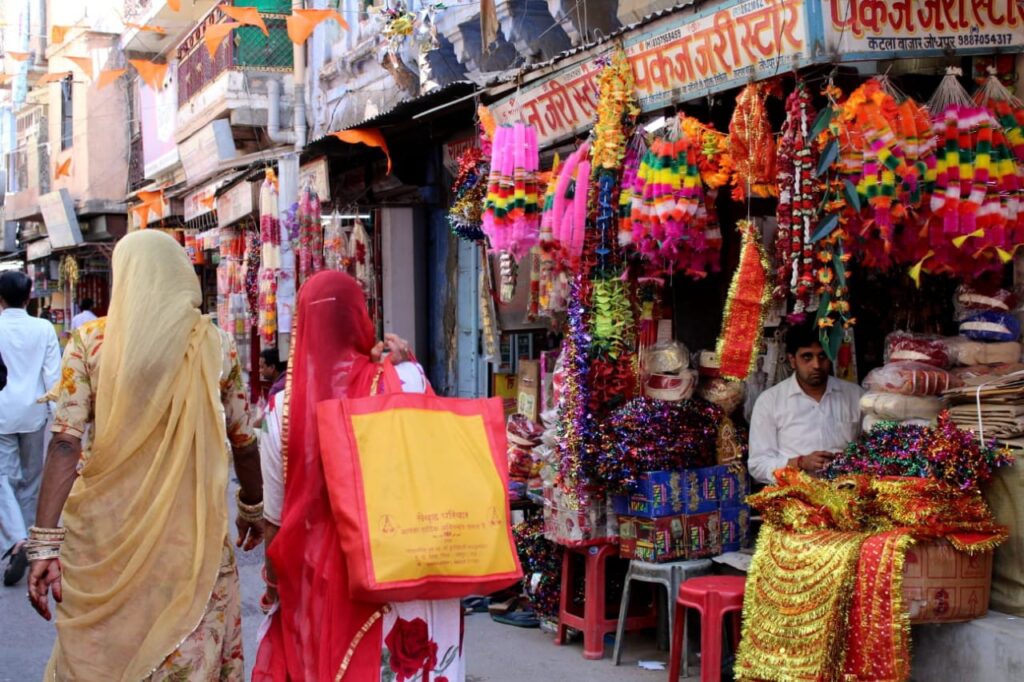
Shopping in Jaipur is more than retail therapy: it’s a journey into the heart of Rajasthan’s age-old craft traditions. Jaipur, the Pink City, has always been regarded as the country’s number premier destination for its exquisite handicrafts, where artisans have been carrying forward their age-old traditions passed down through generations. Right from the time you enter its bustling markets, you’re treated to a kaleidoscope of colors, designs, and the soothing sounds of artisans at work.
Whether it’s authentic souvenirs, investment-worthy pieces, or just the electric experience of the traditional Indian bazaar, shopping in Jaipur is an unforgettable experience that will leave you with memories of the artisans, the culture, and the warmth of Rajasthan’s hospitality. Here let us explore some of the best markets to shop and also what to shop from each market.
Best Markets for Shopping in Jaipur
Here are the best markets for shopping in Jaipur and you must not miss them during the trip:
Johari Bazaar
Johari Bazaar is the most sought-after jewelry market in Jaipur, known for its precious and semi-precious stones, as well as Kundan and Meenakari jewelry. This bustling marketplace in the heart of the Old City has been the center of Jaipur’s gem and jewelry market for centuries. The Johari Bazaar’s narrow lanes are filled with sparkling shops offering everything from cheap costume jewelry to expensive jewelry items.
Bapu Bazaar
Bapu Bazaar is a shopper’s paradise, offering traditional Rajasthani fabrics, handicrafts, mojaris (traditional footwear), and souvenirs at reasonable prices. This colorful marketplace stretches along a busy street and is a great place to shop for gifts and local products. The marketplace is most renowned for its fabric range, which includes block-printed fabrics, tie-and-dye fabrics, and embroidered fabrics.
Tripolia Bazaar
Tripolia Bazaar is known for its lac bangles, brass items, ironware, and handicraft textiles. This market is especially renowned for its breathtaking lac bangles that are available in all possible colors and designs. These bangles are made by expert craftsmen who melt the lac, a resinous material, and then shape it into gorgeous accessories. Apart from bangles, Tripolia Bazaar also provides brass and ironware utensils, decorative objects, and carpets. You can also find traditional handicraft textiles like bed sheets, curtains, and cloth for clothing.
Nehru Bazaar
Nehru Bazaar is famous for textiles, traditional footwear, perfumes, and handicrafts. This market provides a relatively relaxed shopping experience compared to other bazaars. The textile merchants in this market deal in block-printed fabrics, bandhani (tie-and-dye) fabrics, and ready-made traditional garments. You can find the best quality mojaris in different designs, ranging from simple leather ones to heavily embroidered ones for special occasions.
Chandpol Bazaar
Chandpol Bazaar is famous for marble sculptures, traditional utensils, and other decorative items. This market is relatively less touristy than other markets, providing a more genuine shopping experience. Traditional brass and copperware, wooden furniture, and handicrafts line the shops in this market. If you are looking for traditional Rajasthani home decor items, Chandpol Bazaar is the best place to visit. The rates in this market are also relatively cheaper compared to other markets, and the vendors are ready to negotiate.
MI Road
MI Road (Mirza Ismail Road) represents modern shopping in Jaipur, with branded outlets, bookstores, restaurants, and modern outlets side by side with the traditional ones. This is where the locals come to shop, giving you a glimpse into the modern shopping in Jaipur. Government emporiums such as Rajasthali provide fixed-price handicrafts if you want to avoid the hassle of bargaining. The road has jewelry shops, clothing stores, shoe shops, and electronics shops.
What to Buy When Shopping in Jaipur?
With so many things available to shop for, you might find yourself confused about what to shop for. Here are a few things that you cannot miss:
Jewellery and Gemstones
Jaipur is the gem and jewelry capital of India, and thus it is the best place to buy both precious and costume jewelry. Kundan jewelry is characterized by gemstones set in gold foil with intricate designs, and such jewelry is a classic favorite for weddings and other celebrations. Meenakari jewelry has colorful enamel work on the flip side of Kundan jewelry, which adds a new dimension to beauty.
Textiles and Fabrics
Block-printed fabrics are Jaipur’s hallmark, with artisans using wooden blocks to print intricate designs on fabrics. Sanganer and Bagru prints are well-known varieties that originated in villages around Jaipur. You can find bed sheets, cushion covers, tablecloths, curtains, fabric for dresses, and ready-made garments with these beautiful prints. Tie-dye (Bandhani) fabrics produce beautiful patterns through the resist dyeing method. Traditional Rajasthani quilts called jaipuri razai are light, warm, and ideal for Jaipur’s moderate winters. Pashmina shawls, although from Kashmir, are easily available in Jaipur at reasonable prices. While shopping for fabrics, it is essential to check the colorfastness and quality of the fabric, and one can always bargain for buying in bulk.
Blue Pottery
Blue pottery is a special art form that makes Jaipur stand apart from other cities in India. Blue pottery is different from other pottery in that it does not use clay but instead uses the powder of quartz stones, glass, and a number of chemicals. The blue pigment used in blue pottery is copper oxide, and the designs are Persian and Chinese motifs. You can find plates, vases, bowls, tiles, coasters, and other decorative items made of blue pottery in different sizes. Blue pottery is a fragile item, so it has to be packed carefully while transporting it. Buying blue pottery from authentic shops will ensure that you get the best quality.
Mojaris (Traditional Footwear)
Mojaris are traditional Rajasthani footwear that are very comfortable to wear and have unique designs. Simple mojaris are just leather footwear that can be worn on a daily basis, but the decorative ones have embroidery, sequins, beads, and mirrors. While purchasing mojaris, you should wear and try them. Good-quality mojaris are made of real leather and have sturdy stitching. The prices vary greatly depending on the designs and decorations.
Handicrafts and Decorative Items
Shopping in Jaipur provides innumerable handicrafts such as puppets (kathputlis), miniature paintings, wooden items, brass items, and decorations. Colorful puppets from Rajasthan can be taken back as souvenirs, ranging in size and designs. Miniature paintings represent the artistic side of Rajasthan, illustrating mythological stories, royal life, and nature. Brass and copper products include utensils, decorated plates, statues, and home decorations. Wooden furniture and other carved items represent the woodcarving expertise of Jaipur. Lac items, other than bangles, include decorated boxes, toys, and jewelry.
Important Tips for Shopping in Jaipur
While shopping in Jaipur, you must keep these things in mind to ensure you have a great shopping experience:
Master the Art of Bargaining
Bargaining is the norm and necessary while shopping at the traditional markets of Jaipur. Begin with a 40-50% discount on the final price and proceed accordingly. Always be courteous and friendly; bargaining should be a pleasant experience, not a battle. Compare prices at different stores before buying costly goods. Government emporiums have fixed prices; thus, no bargaining is required there.
Verify Authenticity
For costly purchases such as jewelry and stones, purchase from trusted stores that issue authenticity certificates. For textiles, check the quality of fabrics, colorfastness, and stitching. For traditional block prints, there may be minute variations that confirm the item is handmade, not machine-printed. For blue pottery, check for uniform glazing and firing. Trusted stores guarantee their items and offer a warranty.
Best Shopping Times
Bazaars open around 10-11 AM and stay open till 8-9 PM, though timings differ. Visit bazaars in the late afternoon when stores are stocked and vendors are busy. Avoid the intense heat of the day during the summer season. Some bazaars are closed on Sundays or certain days of the week. Hence, check before embarking on your shopping expedition.
Payment and Shipping
Smaller stores may accept only cash, so it is advisable to carry enough rupees. Larger stores accept cards, but smaller purchases are still cash transactions. ATMs are found all over Jaipur. When purchasing costly jewelry, ensure proper documentation for customs clearance.
Stay Alert
Although shopping in Jaipur is relatively safe, it is still important to remain alert in crowded markets. Be sure to keep your valuables safe and avoid flaunting large amounts of money. Be wary of pushy touts who promise fantastic bargains at certain shops. Refrain from being forced into making purchases. Shop at your own leisure, compare prices, and buy only what you truly want.
Conclusion
Shopping in Jaipur is much more than buying souvenirs; it is a chance to experience Rajasthan’s rich artistic traditions, support local artisans, and take home elements of the Pink City’s dynamic culture. For those who want expert advice on navigating the shopping scene in Jaipur, Rajasthan Tour Expert provides expert shopping tours guided by knowledgeable experts familiar with the best shops, reasonable prices, and authentic merchandise. Our knowledge will help you navigate the markets efficiently, avoid tourist traps, and ensure that the merchandise you buy is authentic. Get in touch with us today to enhance your shopping experience and uncover the best treasures that the Pink City has to offer.
Frequently Asked Questions
- Is bargaining expected when shopping in Jaipur?
Bargaining is the norm in traditional markets. Begin with 40-50% of the quoted price. Government emporiums and upmarket showrooms have fixed prices so avoid bargaining there.
- What are the best souvenirs to buy from Jaipur?
Best souvenirs include blue pottery, block prints, Kundan/Meenakari jewelry, mojaris, miniature paintings, lac bangles, Rajasthani puppets, and semi-precious stones. These are Jaipur’s specialties. Budget buys include fabric pieces and bangles. Luxury buys include quality jewelry and large blue pottery items.
- How can I identify authentic products versus imitations?
Purchase from reliable shops that offer authenticity certificates and hallmarking. Handmade block prints are slightly irregular. Machine-made prints look uniform. Blue pottery glazing should be even. Compare prices before purchasing. Government emporiums sell only authentic items. Ask the vendors about their manufacturing methods. Genuine artisans will happily describe their craft.
- Which market is best for budget shopping in Jaipur?
Bapu Bazaar has the best budget deals with competitive pricing for textiles, handicrafts, and mojaris. Nehru Bazaar and Chandpol Bazaar are also good for budget shopping. Government emporiums have fixed-price budget shopping. Bargaining in any market will give you excellent prices; compare prices and bargain confidently.
- Are credit cards accepted in Jaipur markets?
Credit cards are not accepted in traditional markets. Larger jewelry shops, government emporiums, high-end shops, and MI Road shops accept credit cards. It is best to carry enough cash for traditional markets. ATMs are easily accessible in Jaipur.